
- 0
- 614 words
THE ULTIMATE GUIDE TO COLLECTING DIECAST AIRPLANE MODELS begins with the simple truth: fans of aviation can now own realistic miniature versions of airplanes thanks to the diecasting industry. These models feature engines, cockpits, and undercarriages that closely mirror their full-sized counterparts. Whether you are buying for someone else or starting your own collection, choosing the right diecast airplane model can feel overwhelming. This guide will help you make smart decisions by highlighting key features, trusted brands, and iconic aircraft worth adding to your collection.
CHARACTERISTICS OF DIECAST AIRPLANE MODELS are what make them more than toys—they are detailed works of art that honor aviation. The tradition of replicating aircraft dates back to the early 20th century, when aviation pioneers like the Wright brothers inspired model makers to capture their designs in miniature form. Look for replicas with precise exterior designs, realistic interiors, and well-crafted engines. Avoid models marketed as children’s toys, as they often lack durability and fine detailing. Instead, choose display models or collector’s editions made from high-grade metals. Larger diecast models usually offer superior accuracy and aesthetics compared to smaller versions.
TOP DIECAST AIRPLANE BRANDS stand out for their craftsmanship and realism. Corgi, founded in the 1950s in the UK, became famous for producing diecast vehicles and later expanded into aviation models, often commemorating historic aircraft from World War II and the Cold War era. Motormax offers a wide range of diecast vehicles, including airplanes, with solid detailing. Revell, established in 1943, is a trusted name in model-making and has produced kits and diecast models that reflect major milestones in aviation history.
ICONIC DIECAST AIRPLANES TO COLLECT are often historically significant or visually striking. Popular choices include the North American Mustang F-51D, a fighter that played a decisive role in World War II; the Panavia Tornado Gr.4, a jet that became a symbol of NATO strength during the late 20th century; the Gloster Sea Gladiator, one of the last biplanes used in combat during World War II; and Junkers WWII models, which replicate aircraft central to Germany’s aviation history. Each combines exquisite detailing with realistic design, making them excellent additions to any collection.
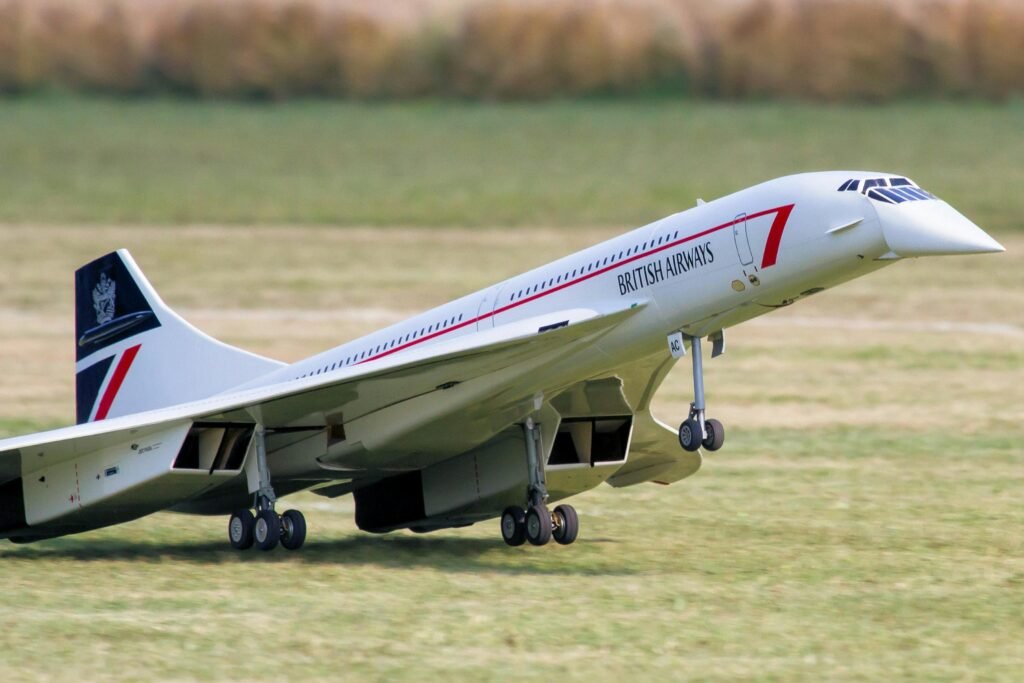
HISTORICAL SIGNIFICANCE OF DIECAST AIRPLANE MODELS is one of the reasons collectors value them so highly. During World War II, miniature models were sometimes used for training purposes, helping pilots and crews visualize aircraft recognition. In the postwar years, diecast models became popular souvenirs, allowing civilians to celebrate the rapid advances in aviation technology. By the 1960s and 1970s, companies like Corgi and Revell began producing replicas of famous aircraft such as the Spitfire, the Lancaster bomber, and the Concorde, turning aviation history into collectible art. Today, these models serve as tangible reminders of milestones like the first powered flight in 1903, the jet age of the 1950s, and the supersonic era of Concorde in the 1970s.
WHY COLLECT DIECAST AIRPLANE MODELS? Because they provide a unique way to honor aviation’s elegance and innovation. Collectors often use these models to preserve the memory of historic battles, technological breakthroughs, and legendary aircraft that shaped the course of aviation. By choosing high-quality models, you can build a collection that reflects your passion and serves as a striking centerpiece for years to come.
FINAL THOUGHTS ON DIECAST AIRPLANE MODELS remind us that building a collection is about more than owning miniature planes—it is about celebrating aviation history and craftsmanship. From the Wright Flyer of 1903 to the supersonic Concorde of the 20th century, aviation has always captured human imagination. By focusing on accuracy, trusted brands, and iconic aircraft, you will create a collection that is both meaningful and visually impressive.
I love myBlogd

Author

jackemails@gmail.com